


Attachment Therapy
Evidence-based therapy that traces how you learned to connect – so closeness stops feeling like a trap and your relationships stop repeating the same script. Available by in-person and secure video anywhere in British Columbia and Ontario.
13,000+
55+
14
9+
Mending how you connect starts with understanding why you pull away.
Attachment therapy isn't talk therapy with a fancier name. It's a specific kind of work that looks at the earliest blueprints you built for love, safety, and closeness – and traces how those blueprints are still running your relationships, your reactions, and your sense of self today. Most people arrive knowing something is off. They push people away. They cling too tightly. They can't relax into closeness without waiting for the other shoe to drop. Attachment therapy gives that pattern a history – and a path forward. Available in-person and by secure video anywhere in BC and Ontario.
Licensed, attachment-trained therapists (RCC, RSW, RP) · matched to your goals, language and story
Weekly, ongoing as needed
Attachment work typically unfolds over 3–9 months, often starting weekly and easing as patterns change.
First session in ~1 week
From home by secure video, or in person at 14 offices.
Covered by most plans
Sun Life, Manulife, Canada Life, Green Shield and more
How we help you get started
Book a free 10-minute consultation. No intake forms, no clinical jargon – just a real conversation about the patterns you've noticed, the relationships that feel stuck, and what you're hoping might change. We listen first.
Not the next available one. The right one. Our matching considers your attachment patterns, your language, your cultural background, and the therapeutic style most likely to help you feel safe going deep. Attachment work depends on the relationship – so we take the match seriously.
Meet your therapist by secure video from wherever you're most comfortable, or visit one of our 14 office locations across BC and Ontario. Most clients book their first session within a week, and attachment work typically unfolds over 3–9 months.
Our attachment-trained therapists

Aleksandra Hajzer

Allison Lee
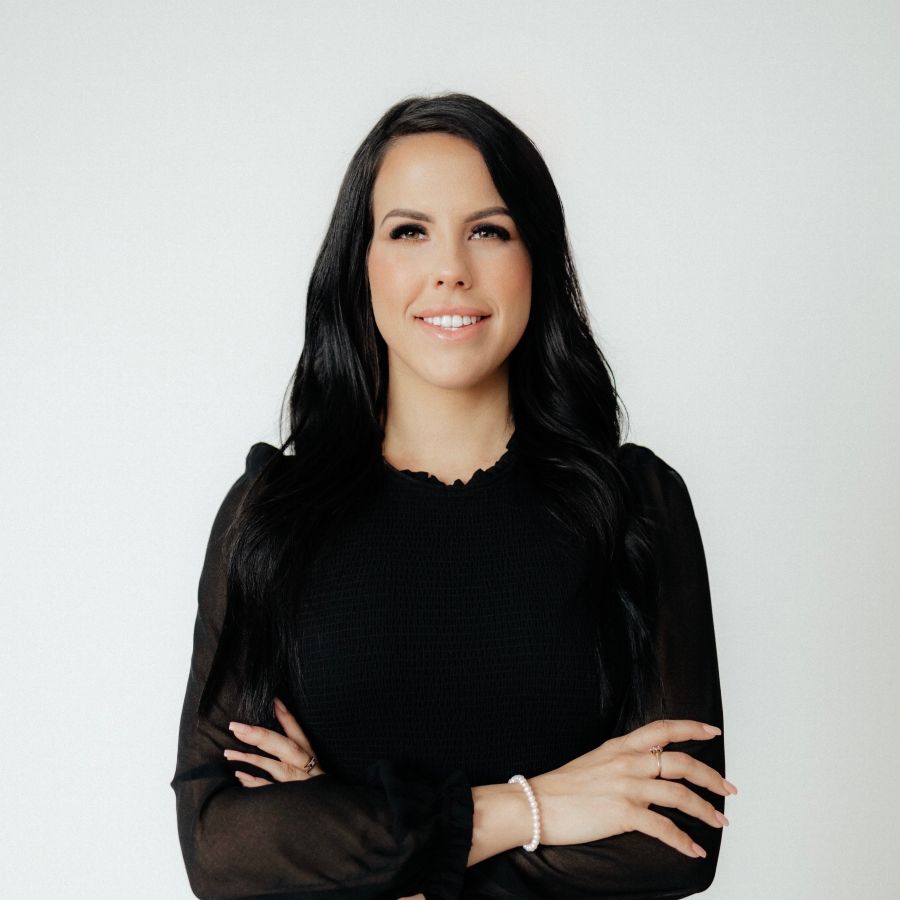
Amanda Hille

Andrea Tulk
What we help you mend with Attachment Therapy
Anxious attachment
The constant need for reassurance. Checking your phone for replies. Reading into silences. Feeling like you're always the one who cares more.
Avoidant attachment
Pulling back when things get close. Needing space but feeling guilty about it. Keeping people at arm's length because intimacy feels like losing control.
Disorganized attachment
Wanting closeness and fearing it at the same time. Push-pull cycles that leave you and the people around you confused. A nervous system that can't decide if people are safe.
Trust & vulnerability struggles
Keeping walls up even with people you love. Testing people to see if they'll stay. Believing deep down that you're too much or not enough.
Childhood emotional neglect
Growing up in a home where your feelings weren't mirrored, validated, or even noticed. Learning to need nothing from anyone – and carrying that into adulthood.
Fear of abandonment
A pit-of-the-stomach dread that the people you love will leave. Monitoring every sign. Overreacting to distance because distance has always been the beginning of the end.
Therapeutic approaches we use
Emotionally Focused Therapy (EFT)
Developed from attachment science, EFT helps you identify the emotional cycles that drive your relational patterns – and restructure them. Originally designed for couples, EFT-Individual applies the same principles to your relationship with yourself and others.
Psychodynamic Therapy
Explores how early relationships with caregivers created templates that still shape your adult behaviour. Through the therapeutic relationship itself, you experience what a secure bond can feel like – and internalize it.
Internal Family Systems (IFS)
Works with the "parts" of you that developed to protect against attachment wounds – the inner critic, the people-pleaser, the one who shuts down. IFS helps you understand these parts with compassion rather than fighting them.
Somatic Experiencing
Attachment patterns live in the body, not just the mind. Somatic work helps you notice where attachment anxiety or avoidance shows up physically – and release the tension your nervous system has been holding since childhood.
Cognitive Behavioural Therapy (CBT)
Identifies and reshapes the thought patterns that attachment wounds created: "I'm unlovable," "People always leave," "I can only rely on myself." CBT provides concrete tools for interrupting these beliefs in real time.
Narrative Therapy
Helps you re-author the story your attachment history wrote about who you are. By externalizing attachment patterns ("the avoidance" rather than "I'm avoidant"), you create distance from the pattern and room to choose differently.
What actually changes with Attachment Therapy
Attachment therapy isn't about feeling better for an hour. It's about rewiring the patterns you've been running since childhood – so your relationships stop repeating the same script.
When Attachment Therapy may need more
If you're in immediate danger or experiencing a psychiatric emergency, please call 911 or go to your nearest emergency room. If you're in crisis but not in immediate danger, contact the 988 Suicide Crisis Helpline (call or text 988) or Kids Help Phone at 1-800-668-6868 (text CONNECT to 686868). Our therapists provide ongoing therapeutic support, not crisis intervention.
Our therapists are counsellors and psychotherapists, not physicians. If you need medication assessment alongside attachment work, we can help you coordinate with a psychiatrist or your family doctor.
Attachment work requires emotional safety. If you're in a relationship where there is active violence or coercive control, individual safety planning should come first. We can help connect you with the right resources and revisit attachment therapy when you're in a position of greater safety.
Sometimes what presents as an attachment issue is driven by active substance use, an untreated eating disorder, or another condition that needs stabilization first. Your therapist will be honest about this, and help you find the right sequence of care.
Not sure if attachment therapy is right for you? That's exactly what the free consultation is for. Your therapist will help you figure out the best approach before you commit to anything. And if you don't have a private space for video, our 14 offices give you a confidential alternative.
Attachment therapy sessions are delivered by credentialed therapists (RCC, RSW, RP) and are typically covered by Sun Life, Manulife, Canada Life, Green Shield, and most major extended health plans – most plans cover $500–$2,000 per year for counselling or psychotherapy. Because attachment work often involves a longer therapeutic arc than symptom-focused work – typically 3–9 months of weekly sessions transitioning to biweekly – ask your insurer about your annual maximum and per-session limit so you can plan your sessions accordingly. No coverage? Ask about our low-cost counselling programme – no one should skip attachment therapy because of cost.
Most extended health insurance plans in BC and Ontario also cover online sessions.
What people say about Menders
Questions about Attachment Therapy
Individual therapy often focuses on current symptoms – reducing anxiety, managing mood, building coping skills. Attachment therapy goes to the source of those symptoms: the relational patterns formed in childhood. While regular therapy might teach you to manage the panic when your partner doesn't text back, attachment therapy explores why that panic exists and helps your nervous system learn a new response.
No. Many clients arrive with a sense that something is off in their relationships but can't name it. Your therapist will help you understand your attachment patterns through the therapeutic process – not through a quiz. If you do know your style, that's a useful starting point, not a requirement.
Absolutely. Attachment patterns are relational, but they live in you. Individual attachment therapy helps you understand your side of the dynamic – why you pursue, withdraw, test, or shut down – which changes how you show up in your relationships. Many clients find their relationships improve significantly even without their partner in the room.
Your therapist will likely explore your early experiences because that's where attachment patterns form. But you're never required to share more than you're ready for. Attachment therapy respects pacing – your therapist will go at the speed your nervous system can handle, not faster.
Yes. Attachment-based approaches are supported by decades of research in developmental psychology and clinical practice. Emotionally Focused Therapy (EFT), one of the primary attachment-informed modalities, has some of the strongest evidence in psychotherapy research. Clients typically report meaningful shifts in relationship patterns within 3–6 months.
Attachment patterns developed over years, so they don't shift overnight. Most clients see meaningful change within 3–6 months of weekly sessions. Some continue for 9–12 months for deeper exploration. Your therapist will discuss a realistic timeline during your first few sessions, and the pace is always yours to set.
Attachment patterns are universal, but how they're expressed varies across cultures. Your therapist will understand that context. We offer sessions in 9+ languages – English, French, Farsi, Hindi, Punjabi, Japanese, Spanish, Arabic, Turkish, and more – because attachment stories are best explored in the language they were lived in.
Yes to both. For most attachment work, online therapy delivers comparable outcomes to in-person, and the therapeutic relationship develops just as strongly over secure video. Some clients prefer in-person for deeper somatic or experiential work – so you can switch between online and in-person at any of our 14 locations across BC and Ontario. Sessions are delivered by credentialed therapists (RCC, RSW, RP) and are typically covered under extended health plans from Sun Life, Manulife, Canada Life, Green Shield, and most major providers.
Find the closest location
Across British Columbia and Ontario, our locations offer care that’s both local and deeply personal.
British Columbia
Do you prefer your sessions online?
Secure, confidential online therapy is available across British Columbia and Ontario — with licensed therapists, flexible scheduling, and human connection.
We’re called Menders for a reason
We believe therapy isn’t about fixing people — it’s about mending what’s been strained and restoring what matters most. At Menders, we match you with a therapist who understands, both clinically and personally. Learn more
Let us help you find the right therapist
Answer a few questions to book a free 10-minute consultation call and get matched with a therapist best suited to your needs.