


Culturally Sensitive Therapy
Therapy shaped around your cultural background, identity, faith, and lived experience, not a one-size-fits-all default. Research consistently shows that culturally adapted care improves engagement and outcomes for clients whose worldview doesn't match a mainstream mould. Available by in-person and secure video anywhere in British Columbia and Ontario.
13,000+
55+
14
9+
Tired of explaining your world before you can even get to the problem? Let's mend that first.
You've sat across from a therapist and spent half the session explaining why living with your parents at 32 isn't a problem, why your faith isn't up for debate, or why the boundary-setting advice in the textbook doesn't fit how your family works, and by the time the explaining is done, there's no session left for the actual issue. Culturally sensitive therapy doesn't ask you to leave your background at the door to make a framework fit. Your therapist takes the time to understand your cultural context, faith, family structure, and language first, then adapts the way they work to fit your world, not the other way around. Available in-person and by secure video anywhere in BC and Ontario.
Licensed therapists (RCC, CCC, RSW, RP) matched to your goals, language & story
Varies
A stance, not a fixed course. This isn't a separate program with its own session count; it's how your therapist works with you throughout, whatever you're there for.
First session in ~1 week
From home by secure video, or in person at 14 offices.
Covered by most plans
Sun Life, Manulife, Canada Life, Green Shield and more.
How we help you get started
Book a free 10-minute consultation. Tell us about your background: language, faith, family, migration story, whatever's shaped how you see the issue you're bringing in. No forms, no pressure to translate it into someone else's framework first.
We don't just match you with someone who lists "multicultural" on a profile. We match on language, faith, region, and lived experience, whether that's immigration, faith-based concerns, or navigating two cultures at once.
Your first full session is typically within a week, by secure video or in person at one of 14 offices. From there, your therapist works at whatever pace your goals need, with your cultural context built in from the start, not bolted on later.
Our Culturally Sensitive Therapy-trained therapists

Allison Lee

Andrei Reznikov
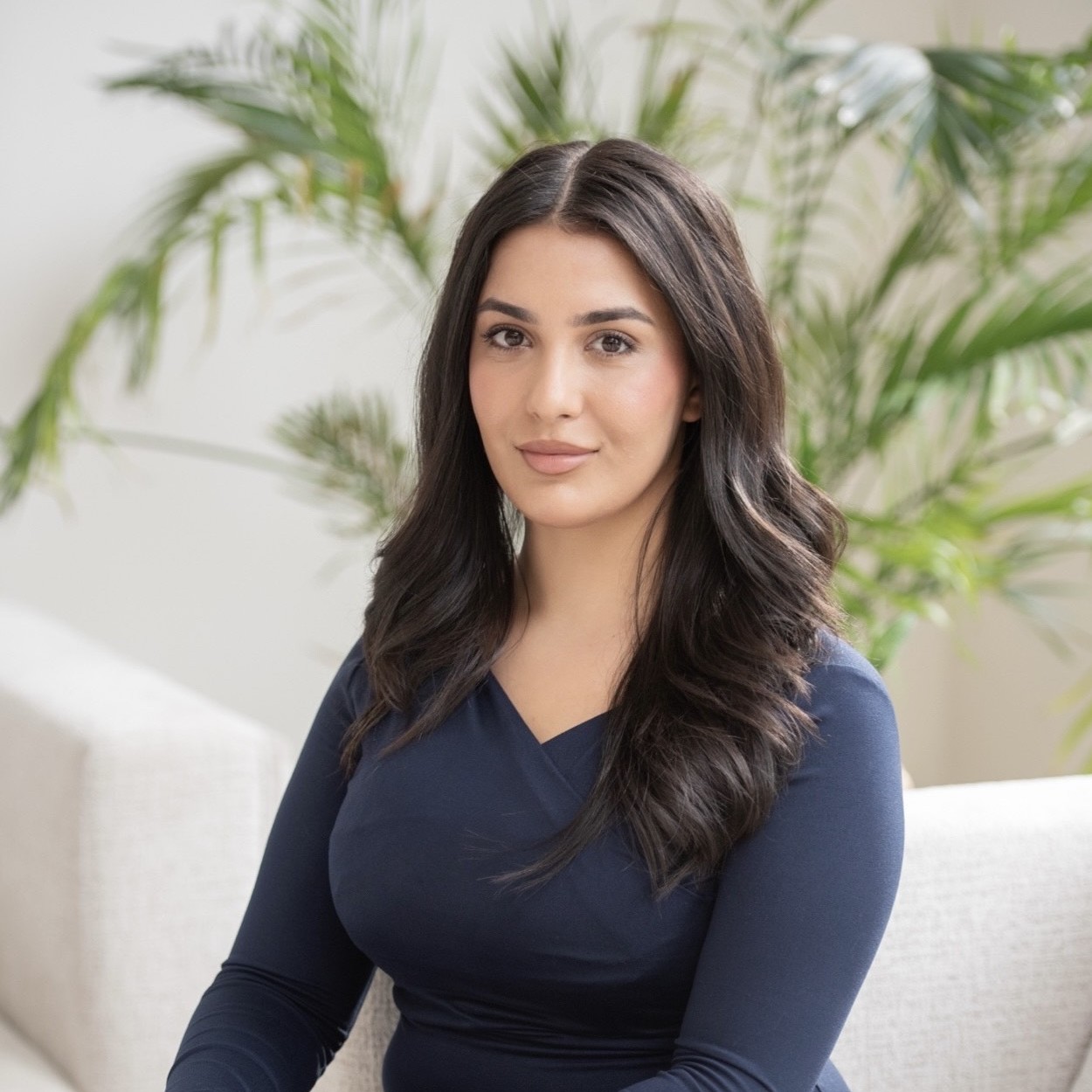
Angela Shah Anwar

Jaime Kempster
What we can help you mend
Settling into a new country
The isolation, the disorientation, the sense that everything that used to be automatic, finding a doctor, reading a room, being understood without translating first, now takes twice the effort. Your therapist understands what settling into a new country actually costs, and helps you rebuild a sense of ground without asking you to leave your old life behind to do it.
Living between two cultures
Not fully one thing at home and another thing everywhere else: the exhaustion of translating yourself back and forth, the guilt of disappointing one side to satisfy the other. Your therapist helps you make sense of both worlds instead of forcing you to pick one.
When faith feels like it's on trial
The worry that therapy will quietly try to talk you out of your faith, or treat your values as the problem instead of part of who you are. Your therapist works with your beliefs, not around them or against them, so faith and support are never something you have to choose between.
Family expectations and generational gaps
The friction between what your family expects and what you actually want, the guilt that shows up the moment you consider disappointing them, the sense that "just set a boundary" doesn't account for what family means in your culture. Your therapist helps you navigate the relationship, not just cut it loose.
Dismissed or misread by past therapy
A past therapist who called your close family ties "enmeshment," treated your accent as a barrier, or never once asked about the part of your life that mattered most. That experience is common, and it's a reason to find a therapist who starts by understanding your context, not a reason to give up on therapy altogether.
The exhaustion of constantly explaining yourself
The extra vigilance, the comments you've learned to brush off in the moment and carry home anyway, the fatigue of constantly explaining or defending who you are and where you're from. Your therapist understands this weight isn't in your head, and helps you carry it without having to prove it's real first.
The principles behind Culturally Sensitive Therapy
Understanding Your Cultural Context
Before working on the issue you came in with, your therapist takes time to understand where you come from: family structure, migration history, community, and the norms that shaped how you see the world. Context comes first, as the lens the rest of the work is built on, not as background trivia.
Adapting the Method to You
Whatever approach your therapist uses, it gets adapted to fit your values and worldview instead of applied as a one-size-fits-all template. If a standard technique assumes an individualistic frame that doesn't match how you see yourself in relation to family or community, your therapist adjusts it rather than asking you to fit the mould.
Working in Your Language Where Possible
Menders' therapists collectively speak 9+ languages. Where possible, you're matched with someone who can work with you in the language you think and feel in, not just the one you're most practised at explaining yourself in.
Respecting Family, Community, and Faith
Your therapist doesn't treat closeness with family, religious practice, or community obligation as things to fix or reduce. Goals are built around what matters to you, including the people and beliefs you're not willing to walk away from.
Checking Assumptions, Not Just Symptoms
Your therapist actively checks their own assumptions instead of assuming their training generalizes to your experience, asking rather than assuming, and staying open to being corrected about what a behaviour or belief means in your context.
Naming the Impact of Migration and Discrimination
Acculturation stress, the loss that comes with leaving a home behind, and the ongoing weight of discrimination are treated as real contributors to your wellbeing, not sidelined as separate from "the real issue."
What actually changes with Culturally Sensitive Therapy
Culturally sensitive care doesn't change your background. It changes how supported you feel bringing all of it into the room, and how well the help you get actually fits your life.
When Culturally Sensitive Therapy may need more
If you're in crisis or experiencing active psychosis, please call or text the 988 Suicide Crisis Helpline, or Kids Help Phone at 1-800-668-6868 (text CONNECT to 686868).
Our therapists don't prescribe. If you need pharmacological support alongside therapy, we can coordinate with your physician.
Refugee trauma, torture, or war-related trauma often needs trauma-specific treatment such as EMDR or trauma-focused therapy as a foundation, with cultural context woven in throughout rather than as the entire approach. Your therapist will assess this with you and recommend the right starting point.
With 9+ languages spoken across our team, we can match many requests, but not every language or regional dialect is currently available. If we can't match you directly, we'll say so honestly and help you find the right option, including working with professional interpretation.
Not sure if this is the right fit for you? That's exactly what the free consultation is for. Your therapist will help you figure out the best approach, including whether a specific language match or trauma-focused starting point makes sense, before you commit to anything. And if you don't have a private space for video, our 14 offices give you a confidential alternative.
Sessions are delivered by credentialed therapists (RCC, CCC, RSW, RP) and are typically covered by Sun Life, Manulife, Canada Life, Green Shield, and most major extended health plans. Most extended health insurance plans in BC and Ontario also cover online sessions.
Most extended health insurance plans in BC and Ontario also cover online sessions.
Questions about Culturally Sensitive Therapy
It isn't a separate technique like CBT or EMDR. It's an approach your therapist brings to whatever technique they're using. It means starting from an understanding of your cultural background, identity, faith, family structure, and lived experience, and adapting the work to fit that context instead of applying a one-size-fits-all method and expecting you to fit it.
The two overlap and often work together, but the emphasis is different. Culturally sensitive therapy centres on understanding and adapting to your specific culture, identity, and worldview. Anti-oppressive therapy centres on actively naming and addressing the systemic power imbalances and oppression that affect your life. Many Menders therapists bring both lenses to the work, and your consultation is a good place to ask what a specific therapist emphasizes.
There's no fixed number, because it isn't a standalone course of treatment. It's how your therapist works with you throughout whatever therapy you're doing, whether that's a handful of sessions or a longer course. How long you need depends on what you're working on, not on this approach specifically.
Yes. Secure video sessions work well for this approach, and for some clients it actually removes a barrier: no risk of running into someone from your community in a waiting room, and it opens up matching with a therapist who shares your language or background even if they're not in your city. Some clients prefer in-person, especially early on, which is something you can discuss with your therapist.
A substantial body of research shows that culturally adapted approaches improve engagement, trust, and outcomes for clients whose background doesn't match a mainstream therapeutic default, and that people are more likely to stay in therapy and get more out of it when the approach reflects their context. It's increasingly treated as good practice across the field, not an optional add-on.
Anyone, but it tends to matter most for immigrants and newcomers, second-generation or bicultural clients navigating two sets of expectations, people whose faith is central to their life, families working through cultural or generational conflict, and anyone who's walked away from therapy before feeling unseen or judged.
We match you as specifically as we can, by language, faith, region, and lived experience, not just a general comfort with "diverse clients." If we don't have an exact match, your therapist will say so honestly, and checking assumptions rather than making them is part of how every Menders therapist is expected to work regardless.
Yes to all three. Menders is a true hybrid practice: start with secure video and switch to in-person at any of our 14 locations across BC and Ontario whenever you'd like, most clients have their first full session within about a week of their free consultation, and sessions are delivered by credentialed therapists (RCC, CCC, RSW, RP) typically covered under extended health plans from Sun Life, Manulife, Canada Life, Green Shield, and most major providers. Ask us during your free consultation and we'll help you check your coverage.
Find the closest location
Across British Columbia and Ontario, our locations offer care that’s both local and deeply personal.
British Columbia
Ontario
Do you prefer your sessions online?
Secure, confidential online therapy is available across British Columbia and Ontario — with licensed therapists, flexible scheduling, and human connection.
We’re called Menders for a reason
We believe therapy isn’t about fixing people — it’s about mending what’s been strained and restoring what matters most. At Menders, we match you with a therapist who understands, both clinically and personally. Learn more
Let us help you find the right therapist
Answer a few questions to book a free 10-minute consultation call and get matched with a therapist best suited to your needs.