


Dialectical Behaviour Therapy (DBT)
Evidence-based, skills-driven therapy that helps you hold your hardest emotions, and build patterns that hold up in the moments that used to break you. Available by in-person and secure video anywhere in British Columbia and Ontario.
13,000+
55+
14
9+
Mending how you hold your hardest emotions
Dialectical behaviour therapy with 50+ licensed therapists across British Columbia and Ontario. Matched to your goals, your language, and what you've been carrying, not the next open slot. It's not talk therapy in the traditional sense. It's more like learning a language, the language of your own nervous system, and practising it until the new responses become second nature. Available in-person and by secure video anywhere in BC and Ontario.
Licensed therapists (RCC, CCC, RSW, RP) matched to your goals, language & story
Typically a 6-12 month program
A structured course of individual sessions and skills, with changes often felt in the first 2-3 months.
First session in ~1 week
From home by secure video, or in person at 14 offices.
Covered by most plans
Sun Life, Manulife, Canada Life, Green Shield and more.
How we help you get started
Book a free 10-minute consultation. No forms, no pressure, just a real conversation about the patterns you've been stuck in, what you've tried before, and whether DBT is the right fit. We listen first.
Not the next available one. The right one. Our matching process considers your emotional patterns, your goals, your language, your cultural background, and the DBT experience level most likely to help you build skills that stick.
Meet your therapist by secure video from wherever you're most comfortable, or visit one of our 14 office locations across BC and Ontario. Most clients book their first DBT session within a week.
Our DBT-trained therapists
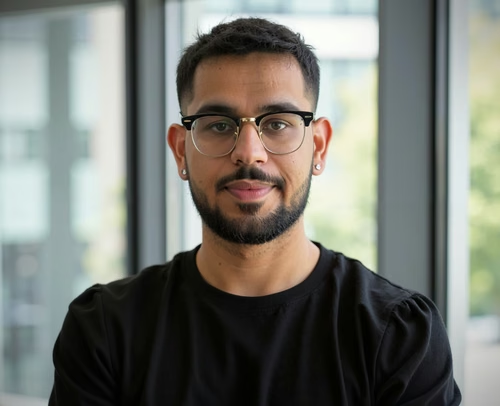
Agam Palta
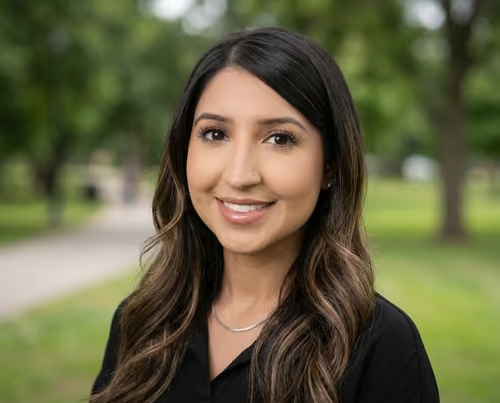
Aleena Aligour

Belinda Unueroh-Okoye
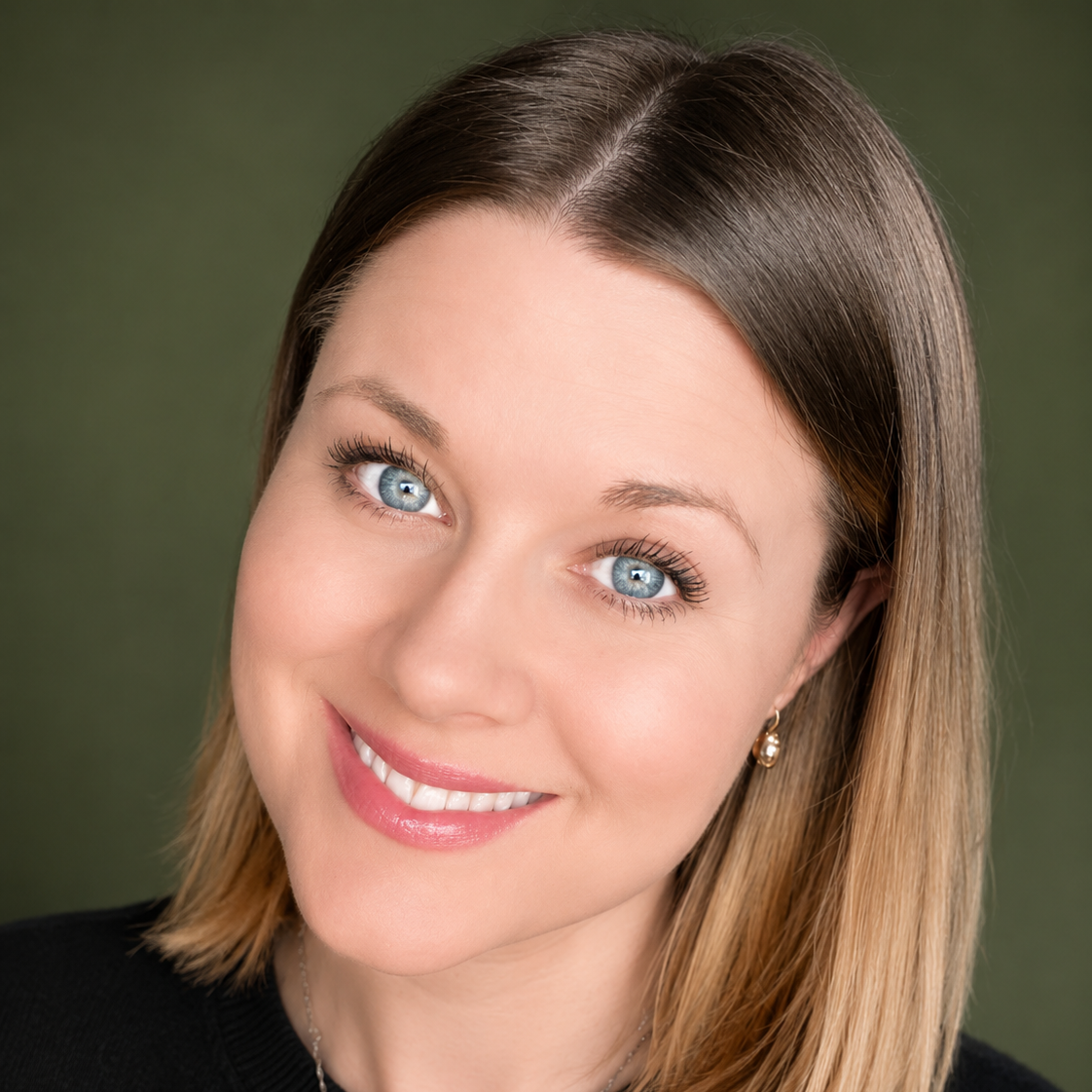
Bria Jupe
What we can help you mend
Emotional dysregulation
The swings between intense anger, deep sadness, and emotional numbness that leave you exhausted and confused. DBT teaches you to ride the wave instead of being pulled under.
Impulsive behaviours
The spending, the texting, the decisions you make at 2 a.m. that you regret by morning. DBT builds the pause between feeling and acting, so you can choose your response.
Self-harm & crisis patterns
Hurting yourself to feel something, or to stop feeling everything. DBT replaces these patterns with distress tolerance skills that actually work in the moment.
Relationship turmoil
Pushing people away and then desperately needing them back. Walking on eggshells. Not knowing how to say what you need without it turning into a crisis. DBT's interpersonal effectiveness module was designed for exactly this.
Anxiety & panic that spirals
Not garden-variety worry: the kind that takes over your body, shuts you down, and makes everything feel dangerous. DBT's distress tolerance and mindfulness skills interrupt the spiral.
Chronic emptiness
The flatness underneath the storms. The feeling that nothing matters or that you don't know who you are. DBT helps you build a life worth living, the model's actual stated goal.
Therapeutic approaches we use
Comprehensive DBT
The full evidence-based programme: individual therapy, skills group training (mindfulness, distress tolerance, emotion regulation, interpersonal effectiveness), phone coaching, and a therapist consultation team. Originally developed by Dr. Marsha Linehan for borderline personality disorder, now applied across a wide range of emotional and behavioural challenges.
DBT-informed individual therapy
Individual sessions using DBT principles and skills without the full group programme. Your therapist adapts the four skill modules to your specific patterns and teaches them within your sessions. A flexible option for clients who need DBT skills but aren't ready for or don't need the group component.
DBT skills training (group)
Educational group sessions where you learn and practise the four DBT skill modules with other participants. Not group therapy. You're not sharing your life story. You're learning techniques, role-playing scenarios, and building a toolkit. Runs in structured terms (typically 12-24 weeks).
EMDR (integrated with DBT)
For clients with trauma histories, EMDR can be integrated into DBT once emotion regulation skills are established. Your therapist uses EMDR to process traumatic memories while DBT provides the stabilization and coping framework.
ACT (Acceptance and Commitment Therapy)
Shares DBT's emphasis on acceptance and mindfulness but adds values-based action. Often integrated for clients struggling with chronic emptiness or loss of purpose, where DBT's 'building a life worth living' goal needs a values-based framework to guide it.
Somatic Experiencing (integrated with DBT)
For clients whose distress lives in the body: chronic tension, dissociation, or physical symptoms that standard talk therapy hasn't reached. Somatic approaches complement DBT's distress tolerance module by working directly with the nervous system.
What actually changes with DBT
DBT isn't about learning to feel less. It's about learning to feel without the fallout, building patterns that hold up in the moments that used to break you.
When DBT may need more
If you're in immediate danger or experiencing a psychiatric emergency, please call 911 or go to your nearest emergency room. For crisis support, call or text the 988 Suicide Crisis Helpline, or contact Kids Help Phone at 1-800-668-6868 (text CONNECT to 686868). Our therapists provide ongoing therapeutic support, not crisis intervention or emergency psychiatric care.
Our DBT therapists are counsellors and psychotherapists, not physicians. If you need a medication assessment or prescriptions, we can help you coordinate with a psychiatrist or your family doctor alongside your DBT programme. Many DBT clients benefit from medication and therapy together.
DBT requires the ability to engage with skill-learning and practise between sessions. If active psychosis or severe cognitive challenges are present, a different treatment approach may be more appropriate first. We can help you find the right referral.
We don't provide diagnostic assessments (such as BPD, ADHD, autism, or learning disability testing), court-mandated therapy, or forensic reports. We can refer you to a specialist. You don't need a formal diagnosis to start DBT at Menders.
Not sure if DBT is right for you? That's exactly what the free consultation is for. We'll talk through your situation, your goals, and whether DBT, or another approach, is the best path forward. And if you don't have a private space for video, our 14 offices give you a confidential alternative.
Sessions are delivered by credentialed therapists (RCC, CCC, RSW, RP) and are typically covered by Sun Life, Manulife, Canada Life, Green Shield, and most major extended health plans. Most extended health insurance plans in BC and Ontario also cover online sessions.
Most extended health insurance plans in BC and Ontario also cover online sessions.
Questions about DBT
No. While DBT was developed for BPD, it has become one of the most effective treatments for anyone who experiences emotions intensely and struggles with the behavioural patterns that follow. This includes chronic anxiety, depression that hasn't responded to other treatments, self-harm, impulsive behaviours, and relationship difficulties. You don't need a BPD diagnosis to benefit from DBT.
Traditional talk therapy focuses on understanding and insight. DBT includes that, but adds structured skill-building. You'll learn specific techniques for managing intense emotions, tolerating distress, and communicating more effectively. You'll practise them between sessions using diary cards. DBT is active and skills-based, not just reflective.
You can start with individual DBT-informed therapy without the group component. Many clients do. Your therapist will recommend whether adding the skills group would benefit you based on your goals and what you're working on. Skills groups are not mandatory, but they are where many clients say the real learning happens.
Skills groups are educational sessions, not group therapy. You're not sharing your personal story. You're learning techniques (mindfulness, distress tolerance, emotion regulation, interpersonal effectiveness), practising them through exercises and role-plays, and getting feedback. Think of it as a class with 6-10 other people who are also learning.
Diary cards are a simple daily tracking tool used in DBT. You record your emotions, urges, and which skills you used (or wanted to use) each day. They help you and your therapist see patterns, track progress, and figure out which skills to focus on. Most clients find them annoying at first and indispensable within a month.
Yes. Research supports the effectiveness of online DBT for most presentations. Skills groups translate particularly well to video because they're educational, not therapeutic processing. Individual sessions work from wherever you feel safest. And unlike most online-only practices, Menders gives you the option to switch to in-person at any of our 14 office locations across BC and Ontario whenever you want.
Menders offers DBT in 9+ languages including English, French, Farsi, Hindi, Punjabi, Japanese, Spanish, Arabic, and Turkish. Being able to describe your emotions in your first language isn't a luxury in DBT. It's the difference between surface-level skill practice and deep emotional learning.
A full comprehensive DBT programme typically runs 6 to 12 months. Individual DBT-informed therapy doesn't have a fixed timeline. It depends on your goals and progress, and many clients notice changes in how they handle intense moments within the first 2-3 months. Most clients book their first DBT session within a week of their free consultation; skills group start dates depend on the current cycle, but your individual sessions can begin right away.
Find the closest location
Across British Columbia and Ontario, our locations offer care that’s both local and deeply personal.
British Columbia
Ontario
Do you prefer your sessions online?
Secure, confidential online therapy is available across British Columbia and Ontario — with licensed therapists, flexible scheduling, and human connection.
We’re called Menders for a reason
We believe therapy isn’t about fixing people — it’s about mending what’s been strained and restoring what matters most. At Menders, we match you with a therapist who understands, both clinically and personally. Learn more
Let us help you find the right therapist
Answer a few questions to book a free 10-minute consultation call and get matched with a therapist best suited to your needs.