


Gottman Method
Research-based couples therapy that helps the two of you stop the same fight, rebuild friendship, and manage the conflicts you'll never fully solve. Available in-person and by secure video anywhere in British Columbia and Ontario.
13,000+
55+
14
9+
You keep having the same fight. Let's mend that.
You've tried talking it out, taking space, keeping the peace, and somehow the two of you keep landing in the same argument. The Gottman Method doesn't ask you to win the fight or pretend it isn't there. Built on more than 40 years of research watching real couples, it helps you rebuild the friendship underneath the conflict, repair after things go sideways, and manage the problems you may never fully solve. Available in-person and by secure video anywhere in BC and Ontario.
Licensed therapists (RCC, CCC, RSW, RP) matched to your goals, language & story
Often 10-20 sessions
Some come for a focused tune-up, others for deeper repair.
First session in ~1 week
From home by secure video, or in person at 14 offices.
Covered by most plans
Sun Life, Manulife, Canada Life, Green Shield and more.
How we help you get started
Book a free 10-minute consultation. Tell us what keeps coming between the two of you: the fight on repeat, the distance, the moment things stopped feeling easy. No pressure, and both of you are welcome on the call.
We don't just match you with someone who lists couples work. We match on Gottman training, clinical focus, language, and cultural background, so the therapist fits the two of you and the relationship you're trying to mend.
Gottman work usually begins with a relationship checkup: a joint session, a short questionnaire, and an individual session for each partner. From there your therapist tailors the work, by secure video or in person at one of 14 offices. Many couples see meaningful shifts over a focused course of sessions.
Our Gottman Method-trained therapists

Agam Palta
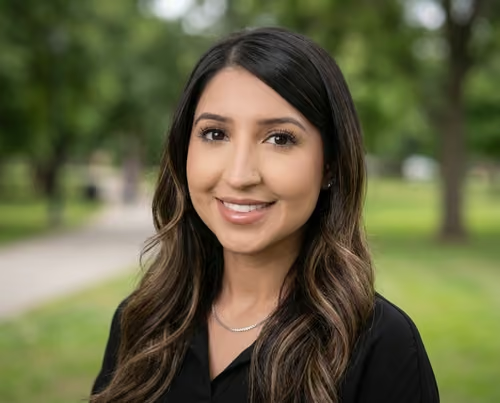
Aleena Aligour

Aleksandra Hajzer

Andrei Reznikov
What we can help you mend
The same fight on repeat
The argument that starts over dishes or money and ends up somewhere you've both been a hundred times.
Contempt and criticism
Eye-rolls, blame, and that sense that you're walking on eggshells in your own home.
Emotional distance and roommate syndrome
Polite, functional, and quietly lonely. You share a calendar but not much else.
Rebuilding after betrayal
An affair, a secret, or a broken promise, and the question of whether trust can come back.
Stonewalling and shutdown
One of you pushes, the other goes silent, and nothing actually gets resolved.
Big transitions
A new baby, a blended family, a move, or retirement reshaping who the two of you are together.
Therapeutic approaches we use
Gottman assessment & the Sound Relationship House
A structured checkup maps your strengths and strains: friendship, conflict, trust, shared meaning, so the work starts from facts, not blame.
Managing conflict
Gentle start-up, repair attempts, and accepting influence help the two of you slow heated moments down and turn towards each other instead of away.
The Aftermath of a Fight
A structured process to revisit a regrettable incident calmly, hear each other, and close the loop instead of leaving it to fester.
Dreams Within Conflict
For the issues you keep hitting a wall on, this surfaces the deeper hopes and fears underneath each position, so dialogue replaces deadlock.
Building friendship and rituals of connection
Love maps, fondness and admiration, and small daily rituals rebuild the everyday closeness that conflict has worn down.
Complementary methods we may integrate
Emotionally Focused Therapy (EFT) for attachment, Discernment Counselling when one partner is leaning out, and individual therapy as an adjunct when it will help the couple.
What actually changes with Gottman Method
Gottman work doesn't erase conflict. Every couple has perpetual problems. It changes how the two of you handle them, so the same issues stop pulling you apart.
When Gottman Method may need more
If you're in crisis or in immediate danger, please call or text the 988 Suicide Crisis Helpline, or Kids Help Phone at 1-800-668-6868 (text CONNECT to 686868), or go to your nearest emergency department.
Our therapists don't prescribe. If you need medication alongside therapy, we can coordinate with your physician or psychiatrist.
Couples work is not appropriate when there is ongoing intimate-partner violence, abuse, or fear of a partner. If either of you feels unsafe, the right first step is individual and safety-focused support, not joint sessions. We'll help you find it confidentially, and we can connect you with the right resources.
When an unmanaged substance-use issue is driving the conflict, that often needs its own support alongside or before couples work. And if one of you has firmly decided to end the relationship, Discernment Counselling, a short, structured process for couples on different pages, may fit better than standard couples therapy.
Not sure if Gottman Method is right for the two of you? That's exactly what the free consultation is for. And if you don't have a private space for video, our 14 offices give you a confidential alternative.
Sessions are delivered by credentialed therapists (RCC, CCC, RSW, RP) and are typically covered by Sun Life, Manulife, Canada Life, Green Shield, and most major extended health plans. Most extended health insurance plans in BC and Ontario also cover online sessions.
Most extended health insurance plans in BC and Ontario also cover online sessions.
Questions about Gottman Method
It's a research-based approach to couples therapy developed by Drs. John and Julie Gottman, drawn from more than 40 years of studying real couples. The work is built around the Sound Relationship House: strengthening friendship, managing conflict, and creating shared meaning, with practical tools you can use at home, not just in the room.
Yes. This is work for the two of you together. Gottman therapy usually begins with a joint session and an individual session for each partner, then continues with you both in the room. The free consultation can include both of you so everyone feels comfortable before you start.
That's part of why you're there, and your therapist is trained for it. Early on the focus is on calming heated moments, slowing the escalation, and helping the two of you actually hear each other, not on having one of you declared right.
They're four communication patterns the Gottmans' research found predict relationship breakdown: criticism, contempt, defensiveness, and stonewalling. The good news is each one has an antidote your therapist will help the two of you practise, so you can catch and reverse them.
No. A Gottman-trained therapist stays even-handed and works for the relationship, not for one partner. The structured assessment helps everyone start from a shared, honest picture instead of blame.
Often the goal isn't to "solve" those issues. Research shows many of the things couples argue about are perpetual problems that never fully go away. What changes is how the two of you talk about them, so they stop driving you apart and start staying in dialogue.
Yes. There's a structured path within the method for rebuilding trust after a betrayal, at a pace that feels safe for both of you. It takes time and honest work, and many couples do recover and come out more connected.
Both. You can meet from home by secure video anywhere in BC and Ontario, or come in person to one of our 14 offices. Some couples prefer the privacy of an office room over having the conversation at home. Either works.
It varies, but many couples work with us for around 10-20 sessions: a focused tune-up on the shorter end, deeper repair (like rebuilding trust) on the longer end. Your therapist will give you a clearer sense after the initial assessment.
Find the closest location
Across British Columbia and Ontario, our locations offer care that’s both local and deeply personal.
British Columbia
Ontario
Do you prefer your sessions online?
Secure, confidential online therapy is available across British Columbia and Ontario — with licensed therapists, flexible scheduling, and human connection.
We’re called Menders for a reason
We believe therapy isn’t about fixing people — it’s about mending what’s been strained and restoring what matters most. At Menders, we match you with a therapist who understands, both clinically and personally. Learn more
Let us help you find the right therapist
Answer a few questions to book a free 10-minute consultation call and get matched with a therapist best suited to your needs.