


Integrative Therapy
A thoughtfully blended approach that combines complementary, evidence-based methods into one coherent treatment plan built around you, not a single fixed technique applied the same way to everyone. Available by in-person and secure video anywhere in British Columbia and Ontario.
13,000+
55+
14
9+
Not one thing. Not one method. Let's mend the whole of it.
Maybe you've done therapy before and it helped, a little. It just never got at the whole thing. The anxiety eased, but the pattern underneath it didn't; the coping skills worked, until the story that made you need them resurfaced. Integrative therapy doesn't stop at one lens. Your therapist draws on complementary, evidence-based approaches, chosen because they work together, and weaves them into one coherent plan built around what you're actually carrying. A way of working, not a checklist of techniques. Available in-person and by secure video anywhere in BC and Ontario.
Licensed therapists (RCC, CCC, RSW, RP) matched to your goals, language & story
Varies, tailored to your goals
First session in ~1 week
From home by secure video, or in person at 14 offices.
Covered by most plans
Sun Life, Manulife, Canada Life, Green Shield and more.
How we help you get started
Book a free 10-minute consultation. Tell us what you're carrying, all of it, even the parts that feel unrelated to each other. No forms, no pressure.
We match you with a therapist trained across multiple evidence-based modalities, based on what you're bringing in, your goals, language, and story, not just one method they default to.
Your first full session is typically within a week, by secure video or in person at one of 14 offices. Your therapist builds your plan around what you actually need and adjusts it as they get to know you, rather than running a fixed programme regardless of what's happening in the room.
Our Integrative Therapy-trained therapists
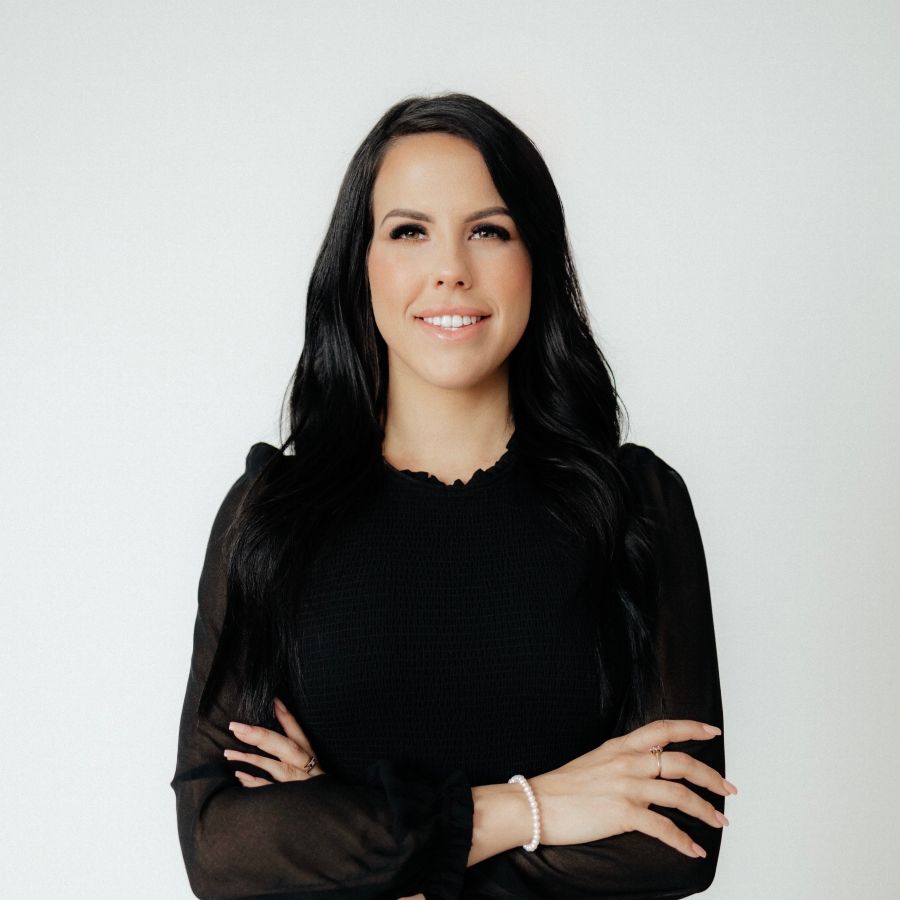
Amanda Hille

Brooklyn Harris

Hamza Mallick

Ionatan Stan
What we can help you mend
Anxiety tangled up with old patterns
Coping skills help for a while, and then the same tightness comes back, because the anxiety isn't just a habit of thought. It's tied to something older: a relationship pattern, a role you learned to play, a history that hasn't fully been worked through. Integrative therapy addresses the present-day anxiety and the pattern underneath it in the same plan, instead of treating them as two separate problems.
Trauma alongside everyday struggles
You're not just carrying what happened to you. You're also trying to hold down work, a relationship, a routine, while it's happening. Trauma-focused work on its own can leave the everyday struggles unaddressed; skills-focused work on its own can leave the trauma untouched. Integrative therapy holds both, sequenced so neither gets ignored.
Therapy that helped, but never got at the whole thing
Maybe you've done CBT, or talk therapy, or a few sessions here and there, and something shifted, but a piece of it kept coming back. That's often a sign the method that worked was only ever addressing part of the picture. Integrative therapy is built to catch what a single approach leaves out.
A life transition with too many threads
A divorce, a career change, a loss, a major identity shift. These rarely arrive as one clean problem. There's grief, logistics, and a changing sense of who you are, all at once. Integrative therapy works through the emotional, relational, and practical threads together, instead of picking just one to focus on.
A relationship pattern that keeps repeating
Different relationship, same dynamic: the same withdrawal, the same conflict, the same feeling of being unseen. Talking through the latest incident rarely changes the pattern underneath it. Integrative therapy combines relational and cognitive work to help you see where the pattern started and build something different going forward.
Feeling like a list of problems, not one person
Anxiety, low mood, perfectionism, relationship strain. It can feel like you'd need four different therapists for four different problems. Integrative therapy starts from the understanding that these pieces are connected, and works with one therapist, one coherent plan, across all of it.
Therapeutic approaches we use
Understanding the whole picture first
Before any approach gets chosen, your therapist takes real time to understand the full shape of what you're carrying: the presenting concern, the history underneath it, the patterns that repeat, and what's already been tried. Integrative work starts with a thorough formulation, not a template applied on autopilot.
Selecting approaches that genuinely fit together
Your therapist chooses evidence-based methods based on whether they complement each other for your specific situation, not because they're familiar or convenient. A cognitive tool and a body-based one only end up in the same plan when there's a clear, considered reason they belong together.
Weaving thought, emotion, relationship, and body into one plan
Instead of only addressing what you think, or only how you feel, your therapist works across cognitive, emotional, relational, and body-aware layers within a single unified plan, because most real struggles don't stay in one lane either.
Sequencing the work deliberately
Integrative therapy isn't everything at once. Your therapist decides what needs attention first, whether that's stabilization, insight, or practical skills, and what comes later, so the work builds instead of scattering across too much at once.
Adjusting the blend as you change
What you need in month one is rarely what you need in month six. Your therapist revisits and adjusts the mix of approaches as you make progress, as new layers surface, or as your goals shift.
Coherence over collecting techniques
Every piece of the work connects back to a single understanding of you. It's not a rotation of unrelated exercises; it's one coherent way of working that happens to draw from more than one evidence-based approach.
What actually changes with Integrative Therapy
Integrative therapy doesn't just add more tools. It gives you one coherent plan where the pieces work together, so the parts of the problem that used to get missed stop getting missed.
When Integrative Therapy may need more
If you're in crisis or experiencing active psychosis, please call or text the 988 Suicide Crisis Helpline, or Kids Help Phone at 1-800-668-6868 (text CONNECT to 686868).
Our therapists don't prescribe. If you need pharmacological support alongside therapy, we can coordinate with your physician.
Some concerns respond best to one manualized, evidence-based protocol delivered with fidelity to its own progression, such as CPT for PTSD or ERP for OCD, and blending in additional approaches can sometimes dilute that structure. Your therapist will tell you if that's the case and can adjust your plan or refer you to a modality-specific programme.
Severe eating concerns, significant substance-use concerns, or symptoms that need close medical oversight sometimes call for a multidisciplinary team or a higher level of care than weekly outpatient sessions can provide. We'll help you find the right level of care and can coordinate with other providers.
Not sure if integrative therapy is right for you? That's exactly what the free consultation is for. Your therapist will help you figure out the best mix of approaches, or a different path altogether, before you commit to anything. And if you don't have a private space for video, our 14 offices give you a confidential alternative.
Sessions are delivered by credentialed therapists (RCC, CCC, RSW, RP) and are typically covered by Sun Life, Manulife, Canada Life, Green Shield, and most major extended health plans. Most extended health insurance plans in BC and Ontario also cover online sessions.
Most extended health insurance plans in BC and Ontario also cover online sessions.
Questions about Integrative Therapy
It's an approach where your therapist thoughtfully combines elements of different evidence-based therapies: cognitive, emotional, relational, body-based, into one coherent treatment plan built around you, rather than delivering a single method the same way to everyone. The blend is chosen deliberately, based on your specific concerns and goals, and adjusted as therapy progresses.
The difference is coherence. Eclectic therapy borrows tools from different approaches pragmatically, session by session, often without one unifying framework tying them together. Integrative therapy is a deliberate synthesis: your therapist selects approaches because they complement each other and fit a single, considered understanding of you, so the pieces work together as a whole rather than functioning as a grab-bag of techniques.
Not quite. Holistic therapy usually refers to a wellness lens that considers your whole life: mind, body, lifestyle, sometimes things like nutrition or spirituality. Integrative therapy is specifically about how the treatment itself is built: combining complementary, evidence-based psychotherapy approaches into one coherent clinical plan. In practice the two can overlap, but integrative describes the therapy's structure, not a wellness philosophy.
There's no fixed number, and that's intentional. Because the approach is tailored to what you're carrying and adjusted as you progress, the length varies more than it does for a single, structured protocol. Your therapist will give you a realistic sense of timeline once they understand your goals, usually after the first couple of sessions.
Yes. Every approach your therapist might draw into your plan, cognitive, relational, or body-aware work, has been delivered effectively over secure video, and your therapist adapts the format of each piece to work well online. Some clients prefer to start online and move to in-person later, especially for body-aware work; that's something you can raise with your therapist.
The individual approaches your therapist draws on, such as CBT, psychodynamic therapy, or attachment-based work, each carry their own substantial research base. Research on integrative and blended treatment models specifically also shows strong outcomes, particularly for complex or co-occurring concerns, though by its nature integrative therapy is evaluated less by a single trial and more by the strength of its components and the clinician's skill in combining them.
People whose concerns don't sit neatly in one category: co-occurring anxiety and past trauma, a relationship pattern tangled up with individual struggles, a life transition touching several parts of life at once. It also suits people who've tried a single-method therapy before and felt like it only addressed part of the picture.
Yes to all three. Menders is a true hybrid practice: start with secure video and switch to in-person at any of our 14 locations across BC and Ontario whenever you'd like, most clients have their first full session within about a week of their free consultation, and sessions are delivered by credentialed therapists (RCC, CCC, RSW, RP) typically covered under extended health plans from Sun Life, Manulife, Canada Life, Green Shield, and most major providers. Ask us during your free consultation and we'll help you check your coverage.
Find the closest location
Across British Columbia and Ontario, our locations offer care that’s both local and deeply personal.
British Columbia
Ontario
Do you prefer your sessions online?
Secure, confidential online therapy is available across British Columbia and Ontario — with licensed therapists, flexible scheduling, and human connection.
We’re called Menders for a reason
We believe therapy isn’t about fixing people — it’s about mending what’s been strained and restoring what matters most. At Menders, we match you with a therapist who understands, both clinically and personally. Learn more
Let us help you find the right therapist
Answer a few questions to book a free 10-minute consultation call and get matched with a therapist best suited to your needs.