


Substance Use
Non-judgmental, evidence-based therapy for anyone whose relationship with alcohol or other substances has started to cost more than it gives, wherever you are in deciding what you want to do about it. Available by in-person and secure video anywhere in British Columbia and Ontario.
13,000+
55+
14
9+
You don't need it all figured out to start. Let's mend the pattern together.
Maybe you already know it's become a problem. Maybe you're still not sure, and part of you resents being asked the question at all. Either way, this isn't about being told to quit, and it isn't about a label. It's about understanding what the substance is actually doing for you right now, what it's costing you, and building a path that's honest about both. Some people are working toward stopping completely. Others are working toward using less, or using more safely. Your therapist meets you at whichever of those you're actually at. Available in-person and by secure video anywhere in BC and Ontario.
Licensed therapists (RCC, CCC, RSW, RP) matched to your goals, language & story
Varies, tailored to you.
Substance-use work is paced to where you're at, not a fixed program everyone follows the same way.
First session in ~1 week.
From home by secure video, or in person at 14 offices.
Covered by most plans:
Sun Life, Manulife, Canada Life, Green Shield and more.
How we help you get started
Book a free 10-minute consultation. Tell us what's going on with substances in your life right now, no judgment, no requirement that you've already decided to quit. No forms, no pressure.
We match on real clinical experience with substance-use and relapse prevention, not just general counselling, plus language and cultural background.
Your first full session is typically within a week, by secure video or in person at one of 14 offices. Together you'll clarify your own goal, whether that's stopping, cutting back, or understanding the pattern better, and build a plan around it.
Our therapists

Bria Jupe

Sahar Tamadoni

Riccardo Caboni

Luz Tremari

Dina Aguila
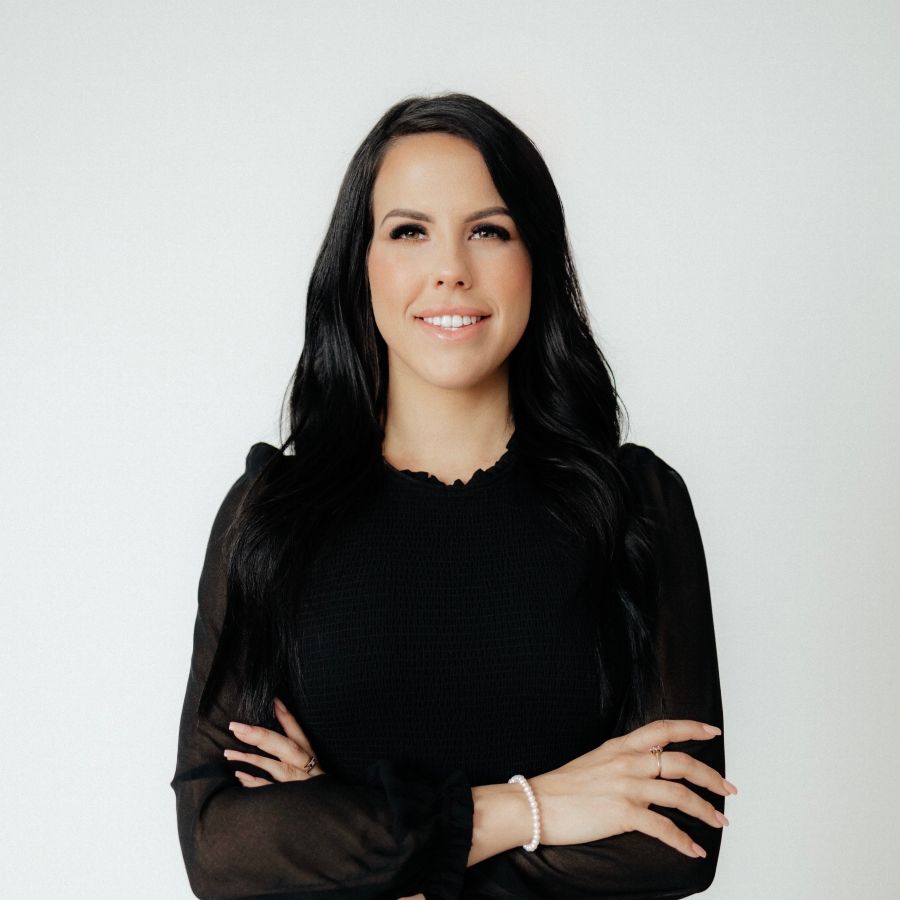
Amanda Hille

Colleen McKay

Gulneet Mand

Shahram Eskandary

Sarah Otten
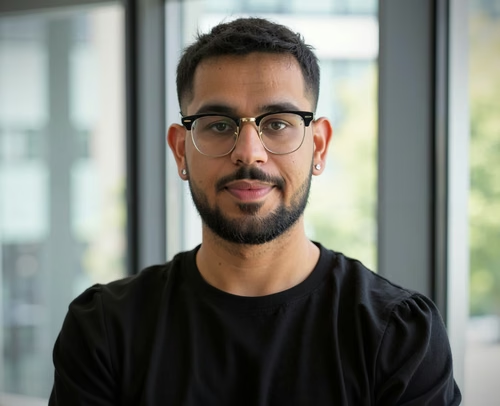
Agam Palta
What we can help you mend
Using more than you meant to, more often than you meant to
You've set limits for yourself, a certain number, only on weekends, and watched the limit slip more times than you can count. Therapy helps you understand what's driving the gap between what you plan and what happens.
Substance-use that's straining a relationship
A partner who's stopped bringing it up, a parent who looks at you differently, trust that's harder to rebuild than it was to lose. Therapy helps you work on your relationship with substances while also finding a way to talk about it with the people affected by it.
Relapsing after a period of real change
You'd made real progress, and then something happened and you were back where you started, or somewhere that felt worse. Therapy helps you understand relapse as information, not failure, and build a plan for the specific situations that tend to trip you up.
Using to manage something else entirely
Stress, grief, anxiety, a memory you don't want to sit with, and the substance has become the fastest way to turn the volume down. Therapy works on both, the pattern itself and what it's been helping you avoid feeling.
Not sure if it's actually a problem
You go back and forth, some days it feels fine, other days a specific moment makes you wonder. Therapy doesn't need you to have already decided. It gives you a clear-eyed look at the pattern so you can figure out where you actually stand.
Withdrawal fear keeping you stuck
You want to change the pattern but you're afraid of what happens physically if you do, so it feels easier to keep things as they are. Therapy helps you build a plan that includes the medical support you need, so you're not trying to manage that part alone.
Therapeutic approaches we use
Motivational Interviewing
A collaborative conversation style that helps you explore your own reasons for change, rather than being told what to do, so the motivation that emerges is actually yours.
CBT for substance-use
Helps you identify the specific thoughts, situations, and feelings that tend to precede using, and build a different response before the pattern runs its course.
DBT skills
Practical skills for riding out a craving or an overwhelming feeling without acting on it right away, useful in the exact moment the urge shows up.
Relapse prevention
Identifies your specific high-risk situations, people, places, and moods, and builds a concrete plan for each one, so a slip doesn't have to become a full return to where you started.
Acceptance and Commitment Therapy
Helps you get clear on your own values, what kind of life you actually want, and use that as a compass for decisions about substance-use, rather than willpower alone.
Mindfulness-based relapse prevention
Builds the ability to notice an urge arising, observe it without judgment, and let it pass, since most cravings are more time-limited than they feel in the moment.
What actually changes with Substance Use
Therapy doesn't erase the reasons the pattern started. It gives you a clearer understanding of it and real tools for changing your relationship with it, at whatever pace fits you.
When Substance Use may need more
If you're in crisis or experiencing active psychosis, please call or text the 988 Suicide Crisis Helpline, or Kids Help Phone at 1-800-668-6868 (text CONNECT to 686868).
Our therapists don't prescribe. If you need pharmacological support alongside therapy, we can coordinate with your physician.
If stopping or reducing use could involve physical withdrawal, that needs medical supervision before or alongside therapy. We'll help you coordinate with a physician or a medical detox service so this part is handled safely.
Some patterns need more structure than weekly outpatient therapy can offer, such as a day program or residential treatment. Your therapist will help you figure out honestly whether that's where you're at, and connect you with the right resource if so.
Sessions are delivered by credentialed therapists (RCC, CCC, RSW, RP) and are typically covered by Sun Life, Manulife, Canada Life, Green Shield, and most major extended health plans. Most extended health insurance plans in BC and Ontario also cover online sessions.
Most extended health insurance plans in BC and Ontario also cover online sessions.
Questions about Substance Use
No. Some people come in wanting to stop entirely, others want to cut back, and some just want to understand the pattern better before deciding anything. Your therapist works with whatever goal is actually yours, not one assigned to you.
No. This work is built around a non-judgmental, harm-reduction-informed approach. Your therapist's role is to help you understand your own pattern and work toward the goal you set, not to lecture you or decide for you what that goal should be.
That's extremely common, and it doesn't mean this won't work for you. Relapse is often part of the process rather than the end of it. Your therapist will help you look at what happened each time, not to shame you, but to build a plan that accounts for it.
Your sessions are confidential, with the same limits that apply to all therapy, such as an immediate safety concern. If there's a workplace or legal situation involved, tell your therapist and they can help you think through what that means for you specifically.
No, our therapists don't provide medical detox or manage physical withdrawal directly. If that's part of what you need, we'll help you coordinate with a physician or an appropriate medical service alongside your therapy.
That nagging feeling is a completely reasonable reason to book a consultation. You don't need to have decided anything yet. A lot of people start here specifically to get some clarity, not because they've already concluded something is wrong.
They're not the same thing, and they're not mutually exclusive. Therapy here is one-on-one, tailored to your specific situation and goals, and draws on approaches like motivational interviewing and relapse prevention. Some clients also attend a 12-step or peer support group alongside therapy, whatever combination works for you.
Yes to all three. Menders is a true hybrid practice: start with secure video and switch to in-person at any of our 14 locations across BC and Ontario whenever you'd like, most clients have their first full session within about a week of their free consultation, and sessions are delivered by credentialed therapists (RCC, CCC, RSW, RP) typically covered under extended health plans from Sun Life, Manulife, Canada Life, Green Shield, and most major providers. Ask us during your free consultation and we'll help you check your coverage.
Find the closest location
Across British Columbia and Ontario, our locations offer care that’s both local and deeply personal.
British Columbia
Ontario
Do you prefer your sessions online?
Secure, confidential online therapy is available across British Columbia and Ontario — with licensed therapists, flexible scheduling, and human connection.
We’re called Menders for a reason
We believe therapy isn’t about fixing people — it’s about mending what’s been strained and restoring what matters most. At Menders, we match you with a therapist who understands, both clinically and personally. Learn more
Let us help you find the right therapist
Answer a few questions to book a free 10-minute consultation call and get matched with a therapist best suited to your needs.